Author: ludson

  • Can I DIY My Driveway?

    Can I DIY My Driveway?

    Taking on a DIY driveway project can be a tempting idea for homeowners looking to save money and gain the satisfaction of completing a home improvement task. But is it feasible to DIY your driveway, and what are the potential pitfalls? In this post, we’ll explore the pros and cons of a DIY driveway, the types of driveways suitable for DIY, and why professional installation might be the better choice for long-term durability and quality.

    1. Pros of a DIY Driveway

    Cost Savings:

    • One of the main reasons homeowners consider DIY driveways is to save money on labor costs. By doing the work yourself, you can potentially reduce the overall expense of the project.

    Sense of Accomplishment:

    • Completing a driveway project on your own can be incredibly satisfying. It’s a tangible result of your hard work and dedication.

    Customization:

    • DIY projects allow you to have full control over the design and materials used, enabling a customized finish that suits your exact preferences.

    2. Cons of a DIY Driveway

    Labor Intensive:

    • Driveway installation is physically demanding work. It involves heavy lifting, precise measurements, and potentially long hours of labor.

    Specialized Equipment:

    • Proper driveway installation requires specialized equipment such as compactors, mixers, and heavy-duty tools that most homeowners do not own. Renting or purchasing this equipment can add to the project cost.

    Lack of Expertise:

    • Professional contractors have years of experience and knowledge that ensure the job is done correctly. Mistakes in installation can lead to costly repairs down the road.

    Time-Consuming:

    • A DIY driveway project can take significantly longer than a professional installation, especially if you are balancing the work with other responsibilities.

    3. Types of Driveways Suitable for DIY

    Some driveway materials are more suited to DIY projects than others. here’s a look at the most common options:

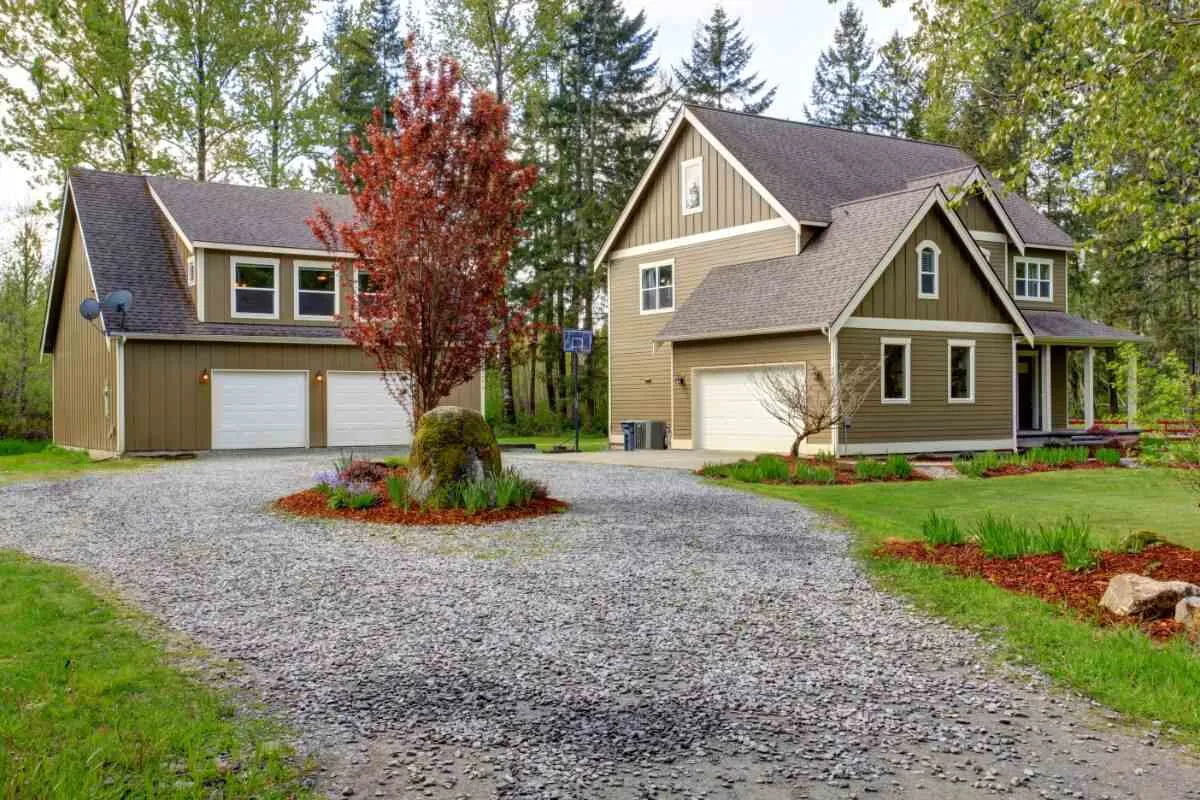
    Gravel Driveways:

    • Ease of Installation: Gravel is one of the easiest materials for a DIY driveway. It requires less specialized equipment and can be installed with basic tools.
    • Considerations: Proper grading and compacting are essential to ensure durability.

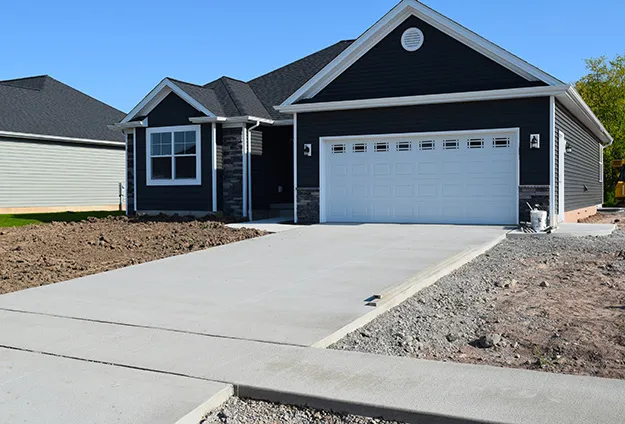
    Concrete Driveways:

    • Challenge Level: While possible, a DIY concrete driveway is challenging. It requires precise mixing, pouring, and finishing techniques that can be difficult for beginners.
    • Risks: Mistakes can lead to cracks and an uneven surface.

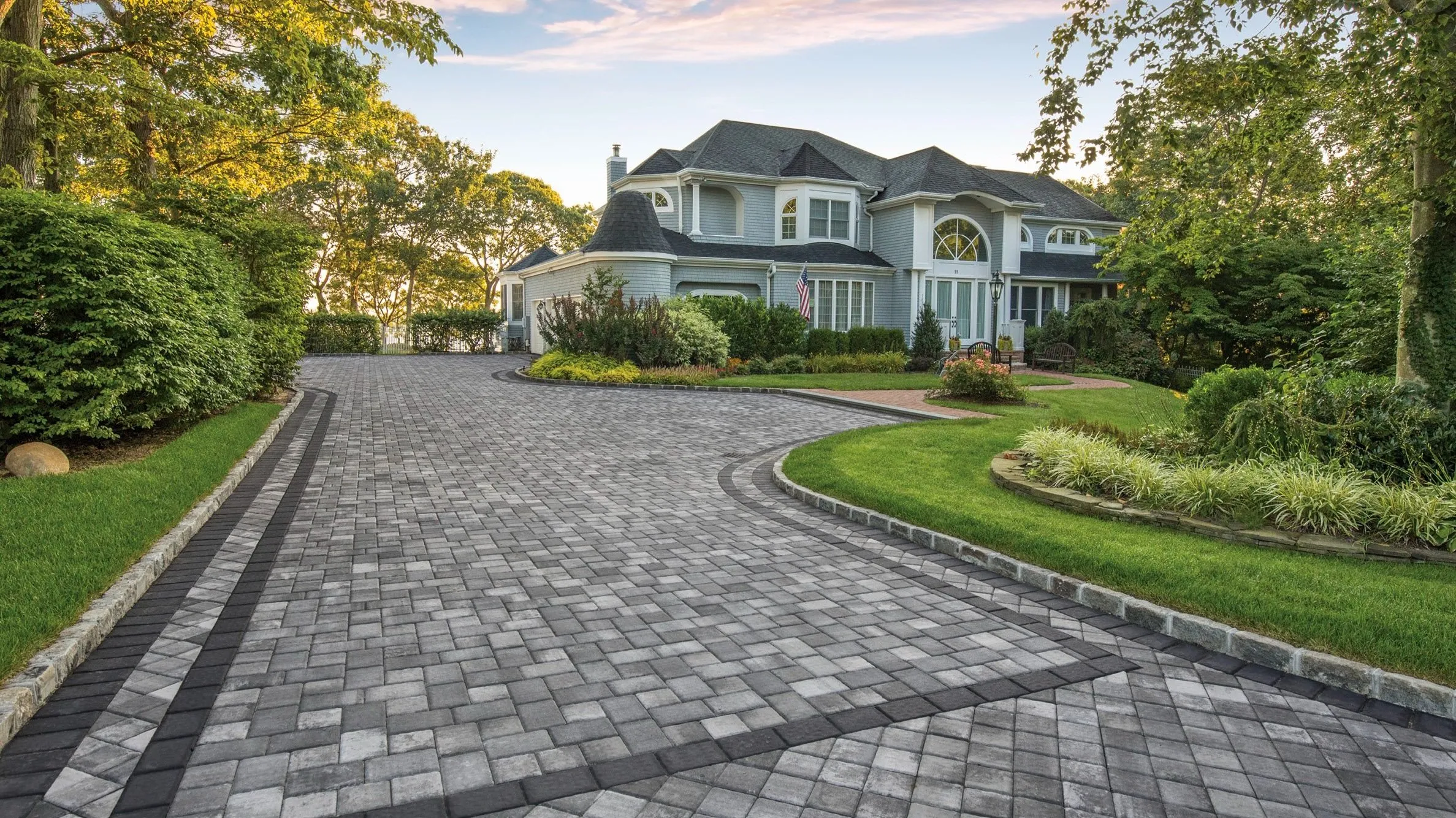
    Paver Driveways:

    • Feasibility: Installing pavers can be a feasible DIY project if you have patience and attention to detail.
    • Process: It involves laying a base, placing the pavers in a specific pattern, and ensuring they are level.

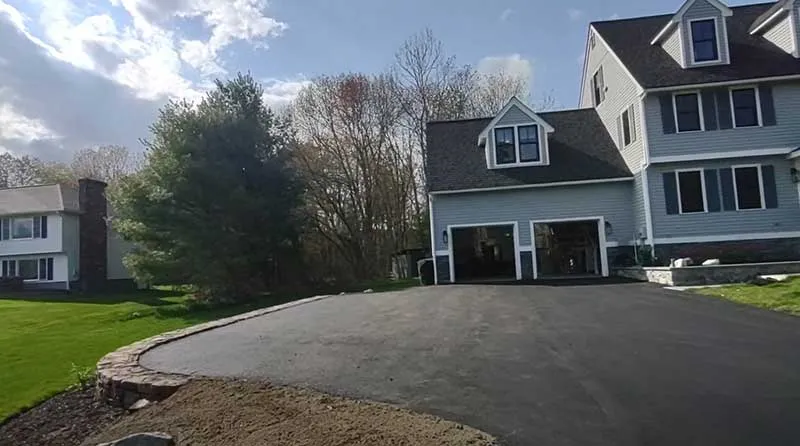
    Asphalt Driveways:

    • Recommendation: Asphalt is generally not recommended for DIY due to the need for specialized equipment and expertise in handling hot materials.
    • Risks: Improper installation can lead to a short lifespan and frequent repairs.

    4. Why Professional Installation is often the Better Choice

    While DIY can be rewarding, professional installation offers several benefits that often outweigh the potential cost savings:

    Expertise and Experience:

    • Professional contractors bring years of experience and know-how to the job, ensuring a high-quality finish that stands the test of time.

    Proper Equipment:

    • Professionals have access to the necessary tools and machinery to perform the job efficiently and correctly.

    Time Efficiency:

    • Hiring a professional means the job will be completed much faster than a DIY project, minimizing disruption to your daily life.

    Long-Term Value:

    • A professionally installed driveway is more likely to last longer and require fewer repairs, providing better value for your investment.

    5. The Benefits of Professional Asphalt Driveways

    For homeowners in Middlesex County, Worcester County, and the Greater Boston Area, an asphalt driveway installed by professionals offers a perfect blend of durability, aesthetics, and low maintenance. here’s why you should consider hiring experts for your asphalt driveway:

    Durability:

    • Professional installation ensures that the driveway is built to withstand heavy loads and harsh weather conditions.

    Smooth Finish:

    • Professionals provide a smooth, even surface that enhances the curb appeal of your home.

    Low Maintenance:

    • With proper seal coating and regular care, an asphalt driveway can last 15-20 years or more.

    Cost-Effective:

    • While the initial cost may be higher than a DIY project, the long-term savings on repairs and maintenance make it a cost-effective choice.

    Conclusion: DIY vs. Professional Driveway Installation

    While a DIY driveway can be a fulfilling project, it comes with significant challenges and potential pitfalls. For those seeking a durable, high-quality driveway with minimal hassle, professional installation is often the best route.

    At Mr. Patch Asphalt, we specialize in driveway paving, driveway replacement, and driveway repair. contact us today for a free estimate and to discuss how we can help you achieve the perfect driveway for your home.

  • Does a Driveway Increase Home Value?

    Does a Driveway Increase Home Value?

    A well-maintained driveway not only enhances the curb appeal of your home but also significantly impacts its market value. Whether you’re planning to sell your house soon or simply investing in long-term property improvements, adding or upgrading a driveway can be a smart move. This post will delve into whether a driveway increases home value, which types add the most value, and the specific benefits of asphalt driveways.

    1. Does a Driveway Increase Home Value?

    Yes, a driveway can increase home value. Here’s how:

    • Curb Appeal: A well-designed and maintained driveway enhances the overall appearance of your property, making it more attractive to potential buyers.
    • Functionality: A driveway provides convenient and secure parking, a significant selling point for many homebuyers. It eliminates the need for street parking, which can be a hassle, especially in urban areas.
    • Property Perception: Homes with driveways are often perceived as more upscale and well-cared-for, contributing to a higher market value.

    According to various real estate experts, adding a driveway can increase a home’s value by 5-10%. This increase can vary based on the type of driveway and the overall real estate market in your area.

    2. What Type of Driveway Adds the Most Value?

    Different driveway materials add varying levels of value to a home. Here’s a look at the most common types:

    • Concrete Driveways: Concrete is known for its durability and low maintenance. It can last over 30 years with minimal upkeep, making it a valuable addition. Stamped or stained concrete can further enhance aesthetics and value.
    • Paver Driveways: Pavers are highly customizable and offer a unique, attractive look. They are durable and can be easily repaired by replacing individual pavers. This type of driveway can significantly boost curb appeal and home value.
    • Asphalt Driveways: Asphalt is a cost-effective and durable option. It provides a smooth, polished look and can handle heavy loads and harsh weather. Regular maintenance through seal coating can keep it looking new for many years.
    • Gravel Driveways: While gravel is affordable, it requires more maintenance and doesn’t offer the same aesthetic appeal as concrete or pavers. It’s less likely to significantly increase home value compared to other materials.

    Among these, paver driveways often add the most value due to their high-end appearance and durability. However, concrete and asphalt driveways are also excellent choices for adding substantial value.

    3. Is it Worth having a Driveway?

    Investing in a driveway is generally worth it for several reasons:

    • Increased Home Value: As mentioned, a driveway can boost your property’s value by up to 10%.
    • Enhanced Curb Appeal: A clean, well-maintained driveway improves the overall look of your home.
    • Convenience: A driveway offers convenient, secure parking for you and your guests.
    • Lower Insurance Costs: Having a driveway can sometimes reduce home insurance premiums, as it reduces the risk of theft and damage compared to street parking.

    4. Does Asphalt Raise the Value of your Home?

    Yes, an asphalt driveway can raise the value of your home. Here’s why asphalt is a great choice:

    • Cost-Effective: Asphalt is less expensive to install than concrete and pavers, yet it still offers a polished, high-quality look.
    • Durability: Asphalt is durable and can withstand harsh weather conditions, including the freeze-thaw cycles common in Massachusetts.
    • Low Maintenance: While asphalt requires periodic seal coating, it’s relatively low-maintenance compared to gravel.
    • Curb Appeal: Asphalt provides a smooth, clean appearance that enhances your home’s exterior.

    For homeowners in Middlesex County, Worcester County, and the Greater Boston Area, an asphalt driveway is a smart investment. It offers a great balance of affordability, durability, and aesthetic appeal, making it an excellent choice for those looking to increase their home’s value.

    Conclusion: Invest in your Driveway to boost Home Value

    Adding or upgrading a driveway is a worthwhile investment that can increase your home’s value, enhance curb appeal, and provide practical benefits. While paver driveways add the most value, asphalt driveways offer a cost-effective, durable, and attractive alternative that’s especially suited for the climate in Massachusetts.

    At Mr. Patch Asphalt, we specialize in driveway paving, driveway replacement, and driveway repair. contact us today at (508)294-4541 for a free estimate and to learn how an asphalt driveway can enhance your home’s value.

  • What is the Best Low-Maintenance Driveway?

    What is the Best Low-Maintenance Driveway?

    Choosing the best low-maintenance driveway for your home is crucial for both convenience and cost-effectiveness. While gravel is often touted as a low-maintenance option, it comes with significant drawbacks, especially in regions like Massachusetts where snow and ice are common. In this post, we’ll explore why an asphalt driveway might be the superior choice for homeowners seeking a balance of durability, aesthetics, and minimal upkeep.

    1. Gravel Driveways: The Pros and Cons

    Gravel driveways are popular for their affordability and simplicity. Here’s why they’re considered low-maintenance and where they fall short:

    Pros:

    • Cost-Effective: Gravel is one of the most affordable driveway materials. It’s easy to install and doesn’t require professional help.
    • Permeability: Gravel allows rainwater to seep through, reducing runoff and erosion.
    • Easy to Refresh: Adding more gravel periodically can keep the driveway looking fresh and functional.

    Cons:

    • Maintenance Issues: While gravel driveways are low-cost initially, they require regular maintenance. Gravel can spread and shift, leading to uneven surfaces and the need for frequent regrading.
    • Snow Removal Challenges: In Massachusetts, where snow plowing is a necessity, gravel driveways pose a significant challenge. Snow plows can displace gravel, creating a mess and requiring constant readjustment.
    • Weed Growth: Gravel driveways are prone to weed growth, which means regular attention is needed to keep them looking tidy.

    Given these drawbacks, especially the difficulties with snow removal, gravel may not be the ideal low-maintenance solution for homeowners in snowy regions like Massachusetts.

    2. Asphalt Driveways: A Superior Low-Maintenance Option

    Asphalt driveways offer a more reliable and hassle-free alternative to gravel. Here’s why asphalt might be the best low-maintenance driveway for your home:

    • Durability: Asphalt is known for its strength and ability to withstand heavy loads and harsh weather conditions. An asphalt driveway can last 15-20 years with proper care.
    • Smooth Surface: Asphalt provides a smooth, even surface that is ideal for vehicles and foot traffic. This also makes snow removal much easier compared to gravel.
    • Low Maintenance: While asphalt requires periodic seal coating to maintain its appearance and prevent cracking, this process is straightforward and not overly frequent. Regular maintenance can keep an asphalt driveway in top condition for many years.
    • Cost-Effective in the Long Run: Though the initial installation cost of asphalt may be higher than gravel, the reduced maintenance needs and longer lifespan make it more cost-effective over time.
    • Aesthetic Appeal: Asphalt driveways offer a clean, polished look that can enhance your home’s curb appeal.

    3. Asphalt vs. Gravel: Why Asphalt wins in Massachusetts

    In Massachusetts, where the winters are harsh and snow removal is a regular task, asphalt driveways provide clear advantages over gravel:

    • Ease of Snow Removal: Asphalt’s smooth surface allows for easy and effective snow plowing without the risk of displacing the driveway material.
    • Weather Resistance: Asphalt can withstand freeze-thaw cycles better than gravel, reducing the risk of damage during winter months.
    • Reduced Erosion: Asphalt eliminates the problem of gravel spreading and shifting, keeping your driveway intact and functional year-round.

    Conclusion: Choose Asphalt for Low Maintenance and Reliability

    While gravel driveways might seem like a low-maintenance option, their drawbacks, especially in snowy climates, make them less ideal. For homeowners in Middlesex County, Worcester County, and the Greater Boston Area, an asphalt driveway offers the best combination of durability, ease of maintenance, and cost-effectiveness.

    At Mr. Patch Asphalt, we specialize in driveway paving, driveway replacement, and driveway repair. contact us today for a free estimate and to discuss how an asphalt driveway can meet your needs.

  • What is the Most Reliable Driveway?

    What is the Most Reliable Driveway?

    When it comes to your home’s driveway, reliability is key. A driveway should withstand the elements, support heavy vehicles, and require minimal maintenance. But with so many materials available, how do you determine which is the most reliable? In this post, we’ll explore the most common driveway materials, their benefits, and their drawbacks to help you make an informed decision.

    1. Asphalt Driveways

    Asphalt is a popular choice for driveways due to its durability and affordability. It’s known for its smooth finish and ability to withstand various weather conditions. Here are some reasons why asphalt might be the most reliable choice for your driveway:

    • Durability: Asphalt driveways can last 15-20 years with proper maintenance. They can handle heavy loads and resist cracking in cold climates.
    • Maintenance: Although asphalt requires periodic sealing to maintain its appearance and functionality, the process is straightforward and cost-effective. Regular seal coating can extend the lifespan of your driveway.
    • Cost: Asphalt is more affordable than concrete, making it an attractive option for many homeowners.

    However, asphalt driveways do require some upkeep. They may need asphalt patch repairs over time, especially in areas with extreme temperature fluctuations.

    2. Concrete Driveways

    Concrete driveways are known for their strength and longevity. A well-constructed concrete driveway can last over 30 years. Here’s why concrete might be a reliable option:

    • Durability: Concrete is incredibly strong and can support heavy vehicles without damage. It’s also resistant to weathering and erosion.
    • Low Maintenance: Concrete requires minimal maintenance compared to other materials. Occasional sealing and cleaning are typically sufficient to keep it in good condition.
    • Aesthetics: Concrete can be customized with various finishes, colors, and patterns, adding to your home’s curb appeal.

    On the downside, concrete driveways can be more expensive to install than asphalt. Additionally, they are prone to cracking in freeze-thaw cycles, which may require professional driveway repair.

    3. Gravel Driveways

    Gravel driveways are a cost-effective and flexible option. They are particularly popular in rural areas and for long driveways. Here’s why gravel might be considered reliable:

    • Cost: Gravel is one of the most affordable driveway materials. It’s easy to install and doesn’t require professional help.
    • Maintenance: Gravel driveways are easy to maintain. Simply adding more gravel and regrading the surface periodically can keep it looking good.
    • Permeability: Gravel driveways allow rainwater to permeate through, reducing runoff and erosion.

    However, gravel driveways can be less reliable due to shifting and spreading of the gravel over time. They also require regular maintenance to keep the surface even and free of potholes.

    4. Paver Driveways

    Paver driveways offer a blend of durability and aesthetic appeal. They consist of individual bricks or stones that interlock to create a stable surface. Here’s why pavers might be a reliable choice:

    • Durability: Pavers are incredibly durable and can last for decades if properly installed. They can handle heavy loads and resist cracking.
    • Low Maintenance: Paver driveways require minimal maintenance. If a paver gets damaged, it can be replaced individually without affecting the entire driveway.
    • Aesthetics: Pavers come in various colors, shapes, and patterns, allowing for unique and attractive designs.

    The main drawback of paver driveways is the cost. They are typically more expensive to install than asphalt or concrete. Additionally, weeds can grow between the pavers, requiring regular attention.

    Conclusion: Which Driveway is the Most Reliable?

    Ultimately, the most reliable driveway depends on your specific needs, budget, and maintenance preferences. Asphalt and concrete are both excellent choices for durability and low maintenance, with asphalt being more budget-friendly and concrete offering greater longevity. Gravel is a good option for those looking for a low-cost solution, while pavers provide a high-end, customizable appearance.

    For Homeowners in Middlesex County, Worcester County, and The Greater Boston Area, Mr. Patch Asphalt offers a range of services to meet your driveway needs. whether you need driveway paving, driveway replacement, or driveway repair, our experts can help you choose the most reliable option for your home. Contact us today at (508) 294-4541 for a free estimate and to speak with a professional about your driveway needs.