Tag: Asphalt Driveway

  • New Asphalt Driveway Installation: Complete Care Guide

    New Asphalt Driveway Installation: Complete Care Guide

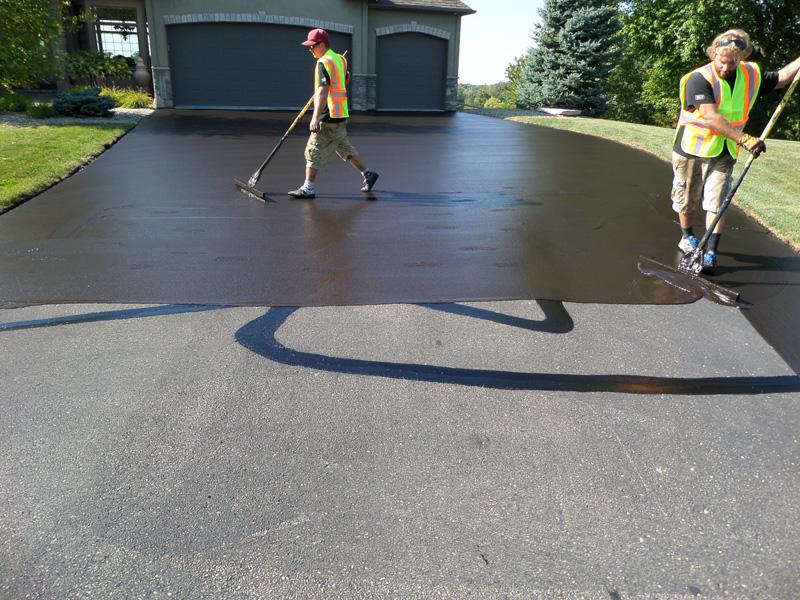
    Your new asphalt driveway is a major investment—and how you treat it in the first days and weeks will determine how long it lasts. Fresh asphalt doesn’t harden instantly; it goes through a curing process that can take weeks to fully stabilize.

    This guide will walk you through exactly what to do (and what NOT to do) after installation—so you avoid marks, dents, cracks, and premature damage.

    Understanding Fresh Asphalt

    New asphalt is made of aggregates (stone, sand) bound together with bitumen, a petroleum-based binder. After installation, it begins a curing process where:

    • Oils slowly evaporate
    • The surface hardens over time
    • It becomes more resistant to weight and pressure

    👉 Important: Asphalt is never “fully cured” in 24 hours—it continues hardening for 30–90 days.

    First 24–72 Hours (Critical Period)
    New Asphalt Driveway Guide

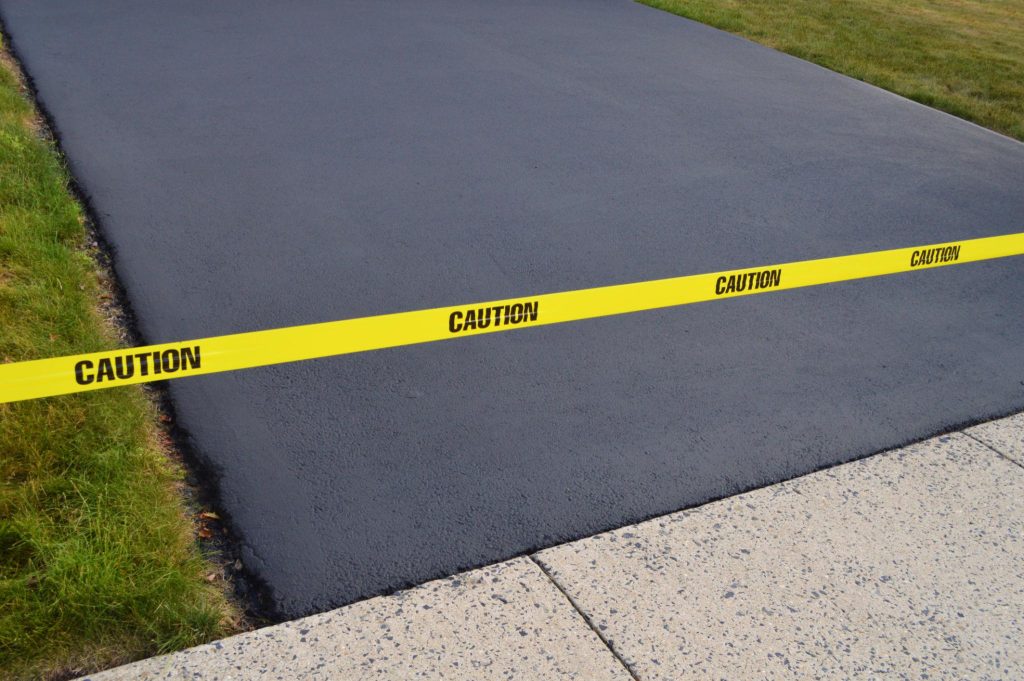
    🚫 Stay Off the Driveway

    • No driving for at least 3 days (72 hours)
    • Light foot traffic is usually okay after 24 hours

    Why This Matters

    During this phase, the surface is still soft and vulnerable to:

    • Tire marks
    • Indentations
    • Surface shifting

    First 30 Days (Most Important Phase)
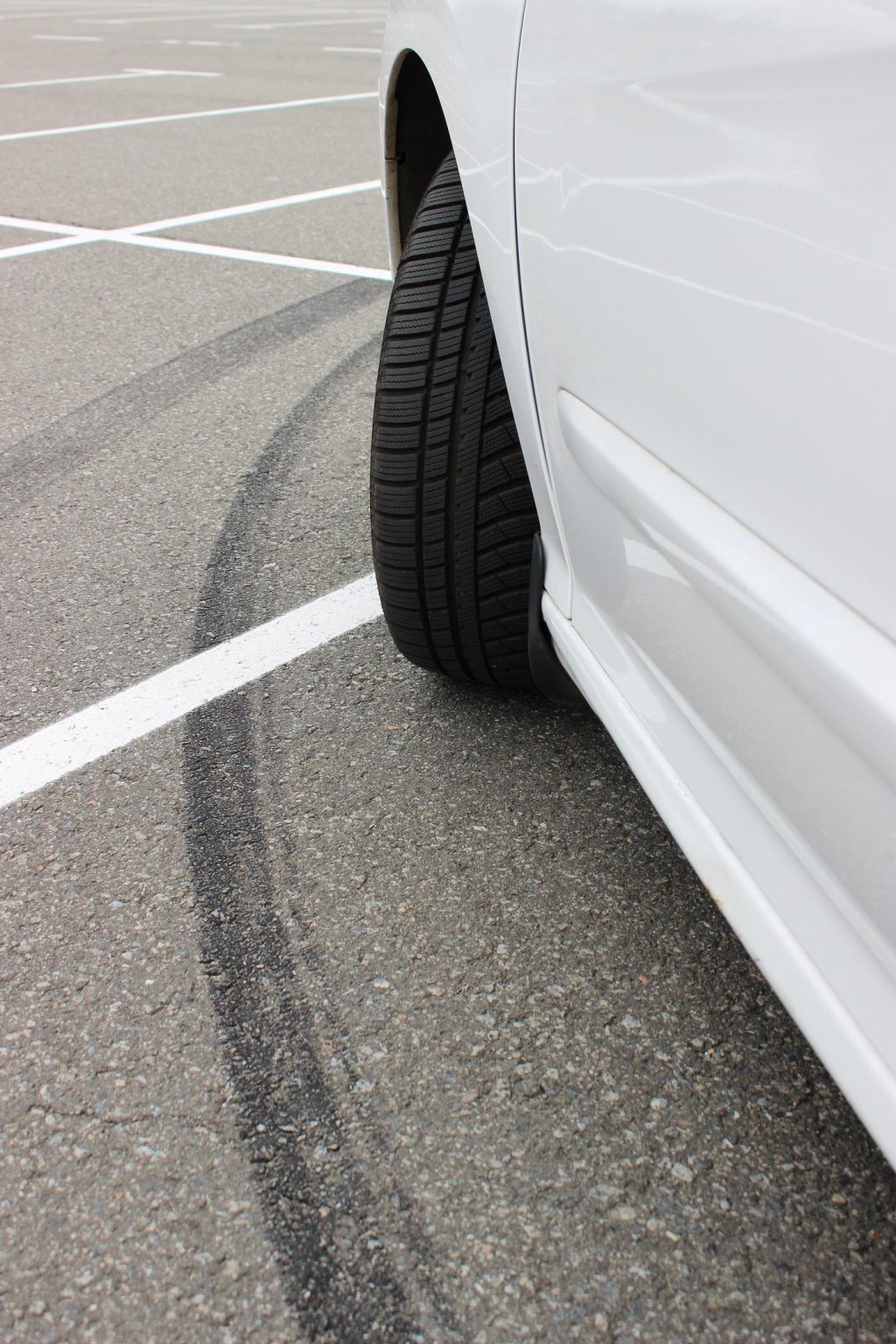
    Do not turn the wheels while parked over your new asphalt

    🚗 Driving Rules

    • After 3 days, you can drive on it carefully
    • Avoid:
      • Turning wheels while stopped (this is critical)
      • Sharp turns or sudden braking

    🔄 Do NOT Turn Wheels in Place

    • Avoid for at least 30 days
    • Always:
      • Keep the car moving when turning
      • Turn the steering wheel only while rolling

    👉 This prevents scarring and tearing of the asphalt surface.

    Parking Guidelines (Very Important)

    ☀️ Hot Weather Warning
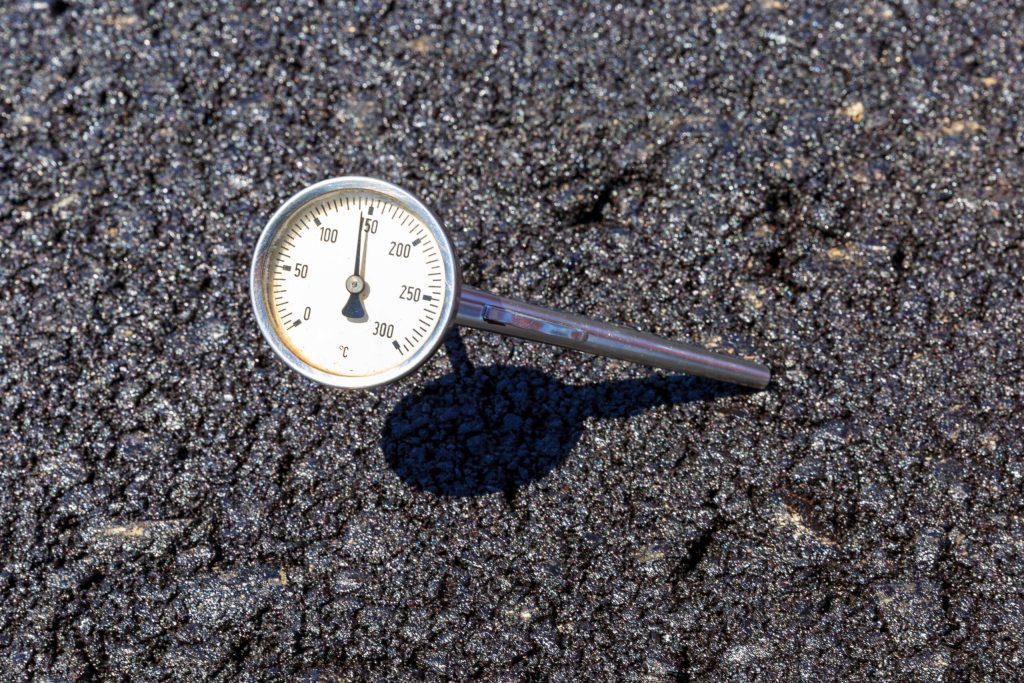
    Be careful with hot weather on your new asphalt

    Asphalt softens under heat.

    • Avoid parking in the same spot every day
    • Rotate parking positions for at least 30 days

    What Counts as “Hot”?

    • Anything above 85°F (29°C) can soften asphalt
    • At 90–100°F+, the surface becomes significantly softer

    ⚠️ Avoid These During Hot Days:

    • Parking heavy vehicles in one spot
    • Leaving cars parked for long periods in direct sun
    • Using kickstands (motorcycles can sink!)

    👉 Tip: Use a small plate under motorcycle kickstands.

    First 90 Days (Full Cure Period)

    During this time, your driveway is still strengthening.

    Avoid Heavy Loads

    • No dumpsters
    • No delivery trucks
    • No construction equipment

    Be Careful With:

    • Trailers
    • RVs
    • Moving trucks

    Common Mistakes to Avoid

    ❌ Turning wheels while stopped
    ❌ Parking in the same exact spot daily
    ❌ Letting heavy vehicles sit on it too early
    ❌ Driving too soon
    ❌ Ignoring hot weather effects

    When Can You Do These?

    ActivitySafe Time
    Walking24 hours
    Driving72 hours
    Normal parking3–7 days (with care)
    Wheel turning normally30 days
    Heavy loads60–90 days
    Sealcoating6–12 months

    Extra Protection Tips

    Sealcoating your driveway after 6 to 12 months

    ✔ Keep It Clean

    • Remove debris regularly
    • Avoid oil spills (they weaken asphalt)

    ✔ Watch for Soft Spots

    • If you notice marks, avoid that area temporarily

    ✔ Sealcoating (Future Protection)

    • Apply sealcoat after 6–12 months
    • Helps protect against:
      • UV damage
      • Water penetration
      • Cracking

    Why Proper Care Matters

    Taking care of your new driveway:

    • Extends lifespan by years
    • Prevents early cracking and deformation
    • Keeps your driveway looking clean and professional
    • Saves you money on repairs

    Frequently Asked Questions

    How long before I can drive on new asphalt?

    👉 Typically 72 hours, depending on weather.

    Can I park right after 3 days?

    👉 Yes, but avoid staying in one spot too long and rotate positions.

    Why can’t I turn my wheels in place?

    👉 It can tear and twist the soft asphalt surface.

    How long does asphalt take to fully cure?

    👉 About 30–90 days.

    Is it normal to see marks early on?

    👉 Yes, especially in heat—but they should be avoided as much as possible.

    Can hot weather damage new asphalt?

    👉 Yes. Heat softens it, making it easier to dent or mark.

    When should I sealcoat?

    👉 After 6 to 12 months.

    What if I accidentally leave marks?

    👉 Most minor marks fade over time, but deep damage may require repair.

    Final Thoughts

    Your driveway may look finished—but it’s still in a sensitive curing stage. With just a little care in the first few weeks, you’ll protect your investment and keep it looking perfect for years.

  • How Long Does an Asphalt Driveway Really Last?

    How Long Does an Asphalt Driveway Really Last?

    If you’ve just installed—or are thinking about installing—a new asphalt driveway, you’re probably asking: “How long is this thing going to last me?” Well, the answer isn’t just about the material—it’s about how it’s installed and how you treat it.

    At Mr. Patch Asphalt, we do things right from the start. Our driveways feature a robust 3-inch asphalt layer, laid over a properly excavated and graded base. This professional standard is designed not just for looks, but for long-term performance.

    So let’s break it down and talk lifespan.

    🧱 Average Lifespan of an Asphalt Driveway

    Properly installed asphalt driveways can last between 15 to 25 years.

    That’s a wide range, right? That’s because several key factors influence how long your driveway will actually survive:

    • Quality of installation (spoiler: ours is top-notch 👷‍♂️)
    • Climate and weather exposure
    • Traffic load and usage
    • Ongoing maintenance

    With professional installation and routine care, your asphalt driveway can hit the upper end of that spectrum—or even beyond.

    📐 Why Thickness & Base Matter: Our 3-Inch Advantage

    At Mr. Patch Asphalt, we don’t cut corners. Our process includes:

    1. Proper excavation to remove soft spots and unstable soils.
    2. Grading and compacting the base layer to prevent future sagging.
    3. Installing a full 3 inches of hot mix asphalt, not just a thin skim coat.

    Why does this matter?
    Because thinner driveways with poor prep might last only 8–10 years before major issues like cracking or potholes arise. Our method ensures optimal drainage, load-bearing strength, and surface longevity.

    🌡️ Environmental Factors in Massachusetts

    Living in Massachusetts means your asphalt is going to face:

    • Harsh winters with freeze-thaw cycles
    • Snowplows and deicing salts
    • Hot summers that soften the surface

    These conditions are tough on driveways, which is why local expertise matters. At Mr. Patch Asphalt, we tailor every installation to withstand the New England elements, ensuring a longer-lasting investment.

    🛠️ Maintenance: The Key to Longevity

    Here’s the secret: Proper maintenance can stretch your driveway’s life by years. Here’s what we recommend:

    1. Seal coat every 2–3 years
      This protects from UV rays, moisture, and oil spills. (More on our seal coating services here).
    2. Repair cracks and potholes early
      Catching small damage prevents it from spreading. We offer expert driveway repair and asphalt patching.
    3. Avoid parking heavy vehicles long-term
      Especially in hot weather—this can cause indentations.
    4. Keep it clean
      Sweep away debris and hose off oil or chemical stains.

    🧮 Asphalt vs. Other Driveway Materials. Here’s how asphalt compares in terms of longevity:

    MaterialAverage Lifespan
    Asphalt15–25 years
    Concrete25–30 years
    Gravel5–10 years (high maintenance)
    Pavers30+ years (high cost)

    For most homeowners, asphalt hits the sweet spot—a cost-effective, durable solution with the right balance of longevity and affordability.

    ✅ Built to Last, Backed by Experience

    At Mr. Patch Asphalt, we’ve paved thousands of driveways across Massachusetts with one goal: make it last. Our 3-inch standard, expert grading, and seasoned local knowledge ensure you’re getting a driveway that doesn’t just look great—it stands the test of time.

    Whether you’re considering a full driveway replacement or need help with repairs, we’re here to keep your surface strong and smooth for decades to come.

    🏁 Ready for a Driveway That Goes the Distance?

    If you’re investing in a new asphalt driveway, don’t settle for shortcuts. Our team at Mr. Patch Asphalt delivers durable, high-quality driveways that last—and we back it up with expert service and local experience.

    👉 Visit our contact page to get a free estimate today and start your journey to a driveway built to last. Because at Mr. Patch, we don’t just lay asphalt—we lay peace of mind.

  • You’ve Got a New Asphalt Driveway—Now What?

    You’ve Got a New Asphalt Driveway—Now What?

    Getting a fresh, jet-black driveway is exciting—it boosts curb appeal and offers a smooth, clean entrance to your home. But before you roll your tires over that brand-new surface, you’ve got to wait—and that wait is crucial. Driving too soon on freshly laid asphalt can cause dents, ruts, or even cracks that’ll haunt you for years.
    Let’s break down how long you need to wait before driving on new asphalt, and why timing is everything.

    🕒 The Golden Rule: 72 Hours Minimum

    How long should you wait to drive on a new asphalt driveway?

    Answer: At least 72 hours.
    That’s three full days. This is the standard drying—or curing—period required for the asphalt to harden enough to support the weight of a car. During this window, the asphalt is still soft and pliable. Any pressure from tires or feet can leave permanent marks.

    However, the 72-hour rule is just the start. Let’s go deeper.

    ☀️ Factors That Affect Asphalt Curing Time

    1. Weather Conditions
      Hot, humid days can prolong curing time. Asphalt stays softer longer in heat.
      Cooler, dry weather can speed up the process.
    2. Thickness of the Asphalt Layer
      – Thicker applications take longer to cure than thinner ones.
    3. Sunlight Exposure
      – Direct sunlight can accelerate surface drying, but the base layers may still be soft.
    4. Type of Use
      – Foot traffic can usually resume after 24 hours.
      – Bicycles or light equipment? Wait at least 48 hours.

    🚧 Driving vs. Parking: There’s a Difference

    Even after 72 hours, there’s a big difference between driving across your driveway and parking on it.

    • Driving through: Generally safe after 3 days if it’s a quick pass-through.
    • Parking your car: You should wait at least 5 to 7 days before parking. This gives the asphalt time to strengthen enough to hold the constant pressure from tires.

    ⛔ What Happens If You Drive Too Soon?

    Here’s what you risk if you can’t resist the temptation to test drive too early:

    • Tire dents or “scuff marks”
    • Ruts and depressions in the surface
    • Reduced lifespan of your driveway
    • Costly repairs down the line

    Think of it like baking a cake—taking it out too soon ruins all your effort (and makes a gooey mess).

    🛡️ Tips to Protect Your Fresh Asphalt

    • Avoid turning your steering wheel while parked. This can create swirl marks.
    • Keep heavy vehicles (like RVs or moving trucks) off the driveway for at least 2 weeks.
    • Don’t seal your driveway immediately. Wait 6 months before seal coating to allow proper curing.

    Want to learn more about why sealing is essential? Check out our seal coating service page.

    💡 Long-Term Care for New Driveways

    Even after the initial curing period, asphalt continues to harden over the next 6–12 months. During this time, it’s still vulnerable to:

    • Oil spills
    • Harsh chemicals
    • Sharp objects or jack stands

    Keep the surface clean, avoid sharp turns, and plan to seal coat your driveway in about 6–12 months. This protective layer will lock in the oils, prevent cracking, and extend the life of your investment.

    🧰 Mr. Patch Asphalt Is Here to Help!

    A new driveway is more than just fresh pavement—it’s an investment in your home’s future. At Mr. Patch Asphalt, we provide expert guidance every step of the way, from installation to maintenance. We offer top-tier services across Massachusetts, including:

    Ready to pave the way to a better driveway? Contact us today for a free estimate and let’s make your driveway perfect—and perfectly timed.

    Still have questions like “Is my asphalt ready yet?” or “What’s the best weather for paving?”? Check out our FAQ page for more answers.

  • Does a Driveway Increase Home Value?

    Does a Driveway Increase Home Value?

    A well-maintained driveway not only enhances the curb appeal of your home but also significantly impacts its market value. Whether you’re planning to sell your house soon or simply investing in long-term property improvements, adding or upgrading a driveway can be a smart move. This post will delve into whether a driveway increases home value, which types add the most value, and the specific benefits of asphalt driveways.

    1. Does a Driveway Increase Home Value?

    Yes, a driveway can increase home value. Here’s how:

    • Curb Appeal: A well-designed and maintained driveway enhances the overall appearance of your property, making it more attractive to potential buyers.
    • Functionality: A driveway provides convenient and secure parking, a significant selling point for many homebuyers. It eliminates the need for street parking, which can be a hassle, especially in urban areas.
    • Property Perception: Homes with driveways are often perceived as more upscale and well-cared-for, contributing to a higher market value.

    According to various real estate experts, adding a driveway can increase a home’s value by 5-10%. This increase can vary based on the type of driveway and the overall real estate market in your area.

    2. What Type of Driveway Adds the Most Value?

    Different driveway materials add varying levels of value to a home. Here’s a look at the most common types:

    • Concrete Driveways: Concrete is known for its durability and low maintenance. It can last over 30 years with minimal upkeep, making it a valuable addition. Stamped or stained concrete can further enhance aesthetics and value.
    • Paver Driveways: Pavers are highly customizable and offer a unique, attractive look. They are durable and can be easily repaired by replacing individual pavers. This type of driveway can significantly boost curb appeal and home value.
    • Asphalt Driveways: Asphalt is a cost-effective and durable option. It provides a smooth, polished look and can handle heavy loads and harsh weather. Regular maintenance through seal coating can keep it looking new for many years.
    • Gravel Driveways: While gravel is affordable, it requires more maintenance and doesn’t offer the same aesthetic appeal as concrete or pavers. It’s less likely to significantly increase home value compared to other materials.

    Among these, paver driveways often add the most value due to their high-end appearance and durability. However, concrete and asphalt driveways are also excellent choices for adding substantial value.

    3. Is it Worth having a Driveway?

    Investing in a driveway is generally worth it for several reasons:

    • Increased Home Value: As mentioned, a driveway can boost your property’s value by up to 10%.
    • Enhanced Curb Appeal: A clean, well-maintained driveway improves the overall look of your home.
    • Convenience: A driveway offers convenient, secure parking for you and your guests.
    • Lower Insurance Costs: Having a driveway can sometimes reduce home insurance premiums, as it reduces the risk of theft and damage compared to street parking.

    4. Does Asphalt Raise the Value of your Home?

    Yes, an asphalt driveway can raise the value of your home. Here’s why asphalt is a great choice:

    • Cost-Effective: Asphalt is less expensive to install than concrete and pavers, yet it still offers a polished, high-quality look.
    • Durability: Asphalt is durable and can withstand harsh weather conditions, including the freeze-thaw cycles common in Massachusetts.
    • Low Maintenance: While asphalt requires periodic seal coating, it’s relatively low-maintenance compared to gravel.
    • Curb Appeal: Asphalt provides a smooth, clean appearance that enhances your home’s exterior.

    For homeowners in Middlesex County, Worcester County, and the Greater Boston Area, an asphalt driveway is a smart investment. It offers a great balance of affordability, durability, and aesthetic appeal, making it an excellent choice for those looking to increase their home’s value.

    Conclusion: Invest in your Driveway to boost Home Value

    Adding or upgrading a driveway is a worthwhile investment that can increase your home’s value, enhance curb appeal, and provide practical benefits. While paver driveways add the most value, asphalt driveways offer a cost-effective, durable, and attractive alternative that’s especially suited for the climate in Massachusetts.

    At Mr. Patch Asphalt, we specialize in driveway paving, driveway replacement, and driveway repair. contact us today at (508)294-4541 for a free estimate and to learn how an asphalt driveway can enhance your home’s value.

  • What is the Best Low-Maintenance Driveway?

    What is the Best Low-Maintenance Driveway?

    Choosing the best low-maintenance driveway for your home is crucial for both convenience and cost-effectiveness. While gravel is often touted as a low-maintenance option, it comes with significant drawbacks, especially in regions like Massachusetts where snow and ice are common. In this post, we’ll explore why an asphalt driveway might be the superior choice for homeowners seeking a balance of durability, aesthetics, and minimal upkeep.

    1. Gravel Driveways: The Pros and Cons

    Gravel driveways are popular for their affordability and simplicity. Here’s why they’re considered low-maintenance and where they fall short:

    Pros:

    • Cost-Effective: Gravel is one of the most affordable driveway materials. It’s easy to install and doesn’t require professional help.
    • Permeability: Gravel allows rainwater to seep through, reducing runoff and erosion.
    • Easy to Refresh: Adding more gravel periodically can keep the driveway looking fresh and functional.

    Cons:

    • Maintenance Issues: While gravel driveways are low-cost initially, they require regular maintenance. Gravel can spread and shift, leading to uneven surfaces and the need for frequent regrading.
    • Snow Removal Challenges: In Massachusetts, where snow plowing is a necessity, gravel driveways pose a significant challenge. Snow plows can displace gravel, creating a mess and requiring constant readjustment.
    • Weed Growth: Gravel driveways are prone to weed growth, which means regular attention is needed to keep them looking tidy.

    Given these drawbacks, especially the difficulties with snow removal, gravel may not be the ideal low-maintenance solution for homeowners in snowy regions like Massachusetts.

    2. Asphalt Driveways: A Superior Low-Maintenance Option

    Asphalt driveways offer a more reliable and hassle-free alternative to gravel. Here’s why asphalt might be the best low-maintenance driveway for your home:

    • Durability: Asphalt is known for its strength and ability to withstand heavy loads and harsh weather conditions. An asphalt driveway can last 15-20 years with proper care.
    • Smooth Surface: Asphalt provides a smooth, even surface that is ideal for vehicles and foot traffic. This also makes snow removal much easier compared to gravel.
    • Low Maintenance: While asphalt requires periodic seal coating to maintain its appearance and prevent cracking, this process is straightforward and not overly frequent. Regular maintenance can keep an asphalt driveway in top condition for many years.
    • Cost-Effective in the Long Run: Though the initial installation cost of asphalt may be higher than gravel, the reduced maintenance needs and longer lifespan make it more cost-effective over time.
    • Aesthetic Appeal: Asphalt driveways offer a clean, polished look that can enhance your home’s curb appeal.

    3. Asphalt vs. Gravel: Why Asphalt wins in Massachusetts

    In Massachusetts, where the winters are harsh and snow removal is a regular task, asphalt driveways provide clear advantages over gravel:

    • Ease of Snow Removal: Asphalt’s smooth surface allows for easy and effective snow plowing without the risk of displacing the driveway material.
    • Weather Resistance: Asphalt can withstand freeze-thaw cycles better than gravel, reducing the risk of damage during winter months.
    • Reduced Erosion: Asphalt eliminates the problem of gravel spreading and shifting, keeping your driveway intact and functional year-round.

    Conclusion: Choose Asphalt for Low Maintenance and Reliability

    While gravel driveways might seem like a low-maintenance option, their drawbacks, especially in snowy climates, make them less ideal. For homeowners in Middlesex County, Worcester County, and the Greater Boston Area, an asphalt driveway offers the best combination of durability, ease of maintenance, and cost-effectiveness.

    At Mr. Patch Asphalt, we specialize in driveway paving, driveway replacement, and driveway repair. contact us today for a free estimate and to discuss how an asphalt driveway can meet your needs.

  • What is the Most Reliable Driveway?

    What is the Most Reliable Driveway?

    When it comes to your home’s driveway, reliability is key. A driveway should withstand the elements, support heavy vehicles, and require minimal maintenance. But with so many materials available, how do you determine which is the most reliable? In this post, we’ll explore the most common driveway materials, their benefits, and their drawbacks to help you make an informed decision.

    1. Asphalt Driveways

    Asphalt is a popular choice for driveways due to its durability and affordability. It’s known for its smooth finish and ability to withstand various weather conditions. Here are some reasons why asphalt might be the most reliable choice for your driveway:

    • Durability: Asphalt driveways can last 15-20 years with proper maintenance. They can handle heavy loads and resist cracking in cold climates.
    • Maintenance: Although asphalt requires periodic sealing to maintain its appearance and functionality, the process is straightforward and cost-effective. Regular seal coating can extend the lifespan of your driveway.
    • Cost: Asphalt is more affordable than concrete, making it an attractive option for many homeowners.

    However, asphalt driveways do require some upkeep. They may need asphalt patch repairs over time, especially in areas with extreme temperature fluctuations.

    2. Concrete Driveways

    Concrete driveways are known for their strength and longevity. A well-constructed concrete driveway can last over 30 years. Here’s why concrete might be a reliable option:

    • Durability: Concrete is incredibly strong and can support heavy vehicles without damage. It’s also resistant to weathering and erosion.
    • Low Maintenance: Concrete requires minimal maintenance compared to other materials. Occasional sealing and cleaning are typically sufficient to keep it in good condition.
    • Aesthetics: Concrete can be customized with various finishes, colors, and patterns, adding to your home’s curb appeal.

    On the downside, concrete driveways can be more expensive to install than asphalt. Additionally, they are prone to cracking in freeze-thaw cycles, which may require professional driveway repair.

    3. Gravel Driveways

    Gravel driveways are a cost-effective and flexible option. They are particularly popular in rural areas and for long driveways. Here’s why gravel might be considered reliable:

    • Cost: Gravel is one of the most affordable driveway materials. It’s easy to install and doesn’t require professional help.
    • Maintenance: Gravel driveways are easy to maintain. Simply adding more gravel and regrading the surface periodically can keep it looking good.
    • Permeability: Gravel driveways allow rainwater to permeate through, reducing runoff and erosion.

    However, gravel driveways can be less reliable due to shifting and spreading of the gravel over time. They also require regular maintenance to keep the surface even and free of potholes.

    4. Paver Driveways

    Paver driveways offer a blend of durability and aesthetic appeal. They consist of individual bricks or stones that interlock to create a stable surface. Here’s why pavers might be a reliable choice:

    • Durability: Pavers are incredibly durable and can last for decades if properly installed. They can handle heavy loads and resist cracking.
    • Low Maintenance: Paver driveways require minimal maintenance. If a paver gets damaged, it can be replaced individually without affecting the entire driveway.
    • Aesthetics: Pavers come in various colors, shapes, and patterns, allowing for unique and attractive designs.

    The main drawback of paver driveways is the cost. They are typically more expensive to install than asphalt or concrete. Additionally, weeds can grow between the pavers, requiring regular attention.

    Conclusion: Which Driveway is the Most Reliable?

    Ultimately, the most reliable driveway depends on your specific needs, budget, and maintenance preferences. Asphalt and concrete are both excellent choices for durability and low maintenance, with asphalt being more budget-friendly and concrete offering greater longevity. Gravel is a good option for those looking for a low-cost solution, while pavers provide a high-end, customizable appearance.

    For Homeowners in Middlesex County, Worcester County, and The Greater Boston Area, Mr. Patch Asphalt offers a range of services to meet your driveway needs. whether you need driveway paving, driveway replacement, or driveway repair, our experts can help you choose the most reliable option for your home. Contact us today at (508) 294-4541 for a free estimate and to speak with a professional about your driveway needs.