Tag: Driveway

  • Sealcoated Driveway – Complete Care Guide

    Sealcoated Driveway – Complete Care Guide

    Sealcoating is one of the best ways to protect your driveway from weather, water, oil, and daily wear. To make sure you get the maximum lifespan and best appearance, it’s important to follow a few simple care steps after your service.

    🚨 First 24–72 Hours (Most Important)

    This is the critical curing period.

    • Stay off the driveway as much as possible
    • Avoid vehicles for at least 48 hours
    • For best results, wait 72 hours before driving on it

    👉 In ideal conditions, you may walk on it after a few hours, but vehicle traffic too early can leave tire marks, scuffs, or damage the finish  

    ⚠️ Weather matters:

    • Cooler, cloudy, or humid days = longer drying time
    • If unsure, always wait longer (never shorter)

    🚗 First 30 Days (Curing Phase)
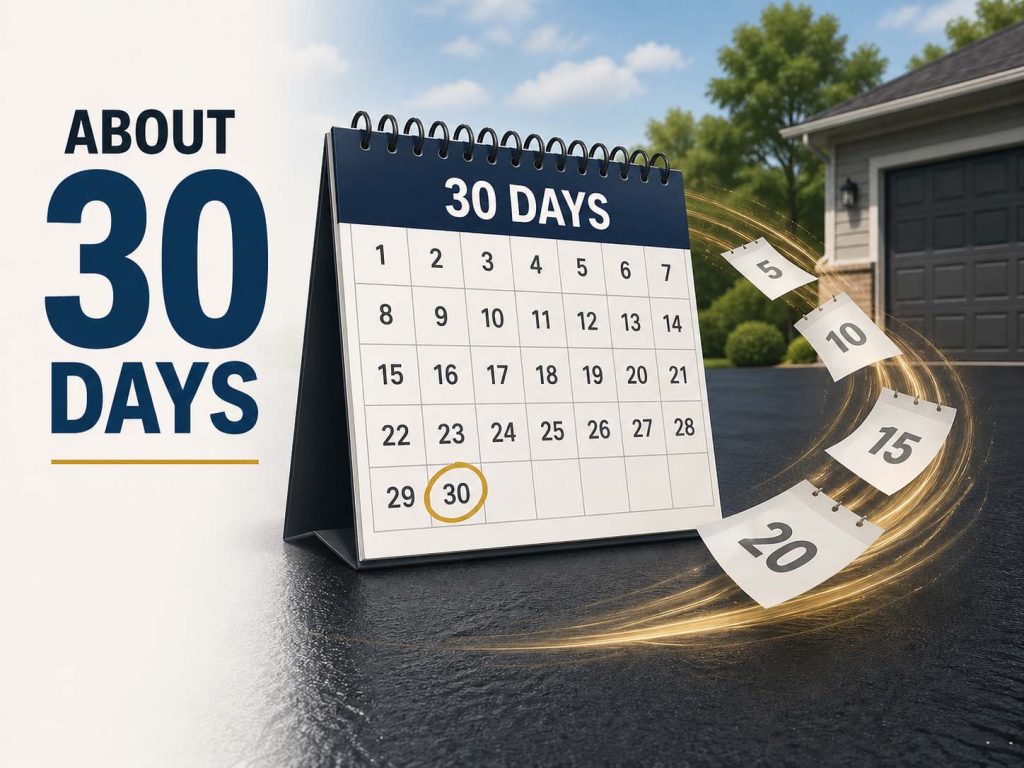
    Curing TIme For Sealcoating

    Even after it looks dry, the surface is still curing.

    • Avoid turning wheels in place (this can twist and mark the surface)
    • Try not to park in the same exact spot every day
    • Avoid heavy vehicles or sharp objects
    • Be careful with kickstands (motorcycles, bikes)

    👉 Full curing can take up to 30 days, so treat the surface gently during this time  

    🧼 Regular Maintenance

    Keep your driveway looking fresh:

    • Sweep debris regularly (dirt holds moisture)
    • Rinse occasionally with water
    • Clean oil or spills as soon as possible
    • Avoid harsh chemicals or strong degreasers

    👉 Sealcoating protects your asphalt, but proper maintenance extends its life even further.

    ⚠️ What to Avoid
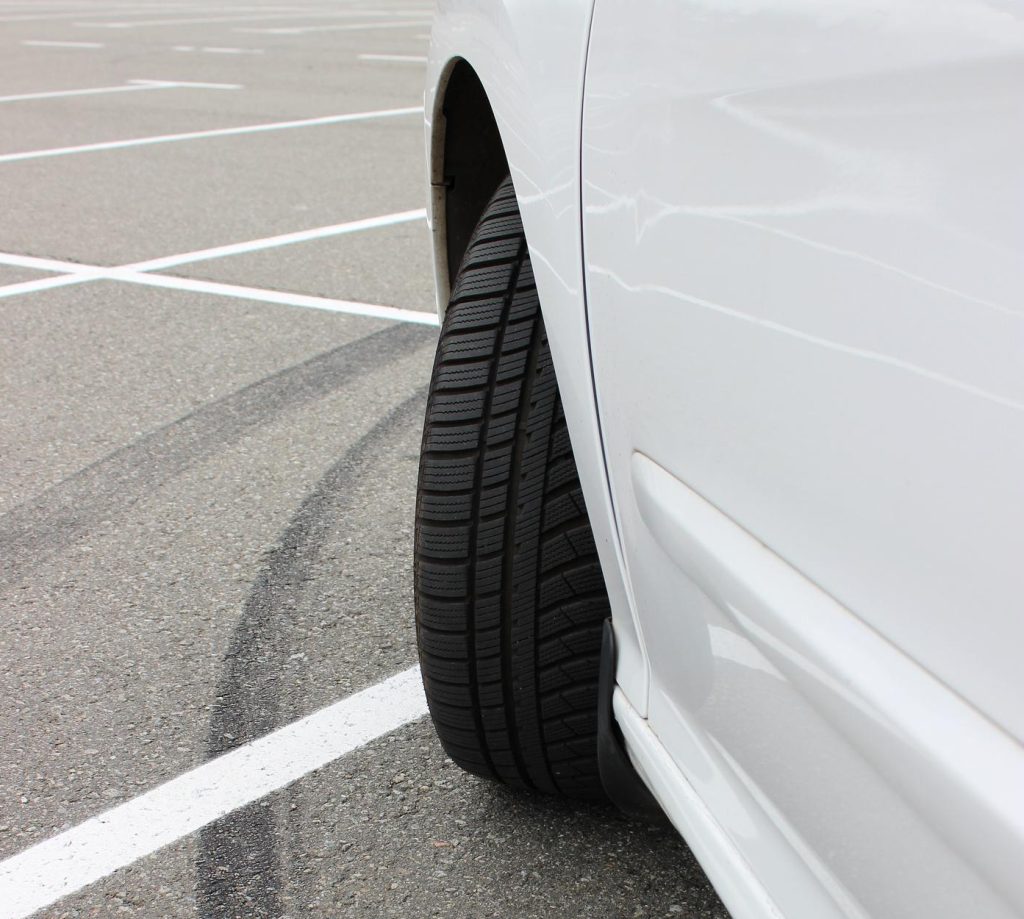
    Do not turn the wheels while parked

    To prevent premature wear:

    • ❌ Turning wheels while stopped
    • ❌ Parking heavy equipment too early
    • ❌ Dragging objects (trash cans, trailers, etc.)
    • ❌ Driving on it if it still feels soft or tacky

    🌦 Weather Awareness

    Sealcoating performance depends heavily on weather:

    • Best curing happens in warm, sunny, dry conditions
    • Rain or humidity can slow the process significantly
    • If rain happens too soon, contact us—we’ll advise if any touch-up is needed

    🛠 When to Sealcoat Again

    For best protection:

    • Reapply sealcoating every 2–3 years
    • High-traffic driveways may need it sooner

    ⭐ Final Tip (Most Important)

    Sealcoating is not just cosmetic—it’s protection.
    The better you treat it in the first few days, the longer it will last.

  • 8 Signs It’s Time to Replace Your Driveway

    8 Signs It’s Time to Replace Your Driveway

    Your driveway is one of the most important parts of your home’s exterior, serving both functional and aesthetic purposes. over time, wear and tear can take a toll on its condition, leading to various problems that can affect its appearance and performance. But how do you know when it’s time to replace your driveway rather than just repair it? In this post, we’ll explore the top signs that indicate it’s time for a driveway replacement and the benefits of timely action.

    1. Extensive Cracks

    Sign: small cracks in your driveway can often be repaired, but if you notice extensive cracking that resembles an alligator’s skin, it’s a sign of underlying structural issues.

    Solution: when cracks cover a significant portion of your driveway, it’s time to consider driveway replacement. this ensures a stable, long-lasting surface.

    2. Potholes

    Sign: potholes not only make your driveway look unkempt but also pose a risk to vehicles and pedestrians. they often indicate severe damage beneath the surface.

    Solution: if potholes are numerous and large, replacing the driveway is a better option than attempting multiple repairs. a new driveway will provide a smooth, safe surface.

    3. Drainage Issues

    Sign: water pooling on your driveway or running towards your home can cause significant damage over time. poor drainage can lead to erosion, cracks, and even foundation problems.

    Solution: addressing drainage issues with a new driveway installation can prevent further damage and improve the overall function of your driveway.

    4. Severe Discoloration and Fading

    Sign: over time, UV rays and weather conditions can cause your driveway to fade and discolor. while seal coating can help, extensive fading is often a sign of aging materials.

    Solution: a new asphalt driveway not only looks better but also offers improved performance and longevity.

    5. Multiple Repairs

    Sign: if you find yourself frequently repairing your driveway, it may be more cost-effective to replace it entirely. continuous repairs can add up and still leave you with a subpar surface.

    Solution: investing in a new driveway can save you money in the long run and provide a more durable and aesthetically pleasing result.

    6. Safety Hazards

    Sign: uneven surfaces, large cracks, and potholes can create tripping hazards for pedestrians and damage vehicles. safety should always be a top priority.

    Solution: replacing your driveway ensures a safe, smooth surface that eliminates hazards and enhances the usability of your driveway.

    7. Age of the Driveway

    Sign: the average lifespan of a driveway varies depending on the material. asphalt driveways typically last 15-20 years, while concrete driveways can last up to 30 years. If your driveway is approaching or exceeding its expected lifespan, it’s time to consider a replacement.

    Solution: a professional assessment can help determine if it’s time for a driveway replacement, ensuring you get the most out of your investment.

    8. Increased Property Value

    Sign: if you’re planning to sell your home, a new driveway can significantly boost curb appeal and increase property value. potential buyers are likely to appreciate a well-maintained, attractive driveway.

    Solution: investing in a new driveway can make your home more appealing to buyers and potentially increase your selling price.

    When Replacement is the Best Option

    Recognizing the signs that it’s time to replace your driveway can save you from ongoing maintenance costs and enhance your property’s value and appearance. Whether dealing with extensive cracks, potholes, drainage issues, or simply the age of your driveway, replacing it can provide a fresh start and long-lasting benefits.

    For Homeowners in Middlesex County, Worcester County, and the Greater Boston Area, Mr. Patch Asphalt offers expert driveway installation, driveway replacement, and driveway repair services. contact us today for a free estimate and let our professionals help you achieve the perfect driveway for your home.

  • Can I DIY My Driveway?

    Can I DIY My Driveway?

    Taking on a DIY driveway project can be a tempting idea for homeowners looking to save money and gain the satisfaction of completing a home improvement task. But is it feasible to DIY your driveway, and what are the potential pitfalls? In this post, we’ll explore the pros and cons of a DIY driveway, the types of driveways suitable for DIY, and why professional installation might be the better choice for long-term durability and quality.

    1. Pros of a DIY Driveway

    Cost Savings:

    • One of the main reasons homeowners consider DIY driveways is to save money on labor costs. By doing the work yourself, you can potentially reduce the overall expense of the project.

    Sense of Accomplishment:

    • Completing a driveway project on your own can be incredibly satisfying. It’s a tangible result of your hard work and dedication.

    Customization:

    • DIY projects allow you to have full control over the design and materials used, enabling a customized finish that suits your exact preferences.

    2. Cons of a DIY Driveway

    Labor Intensive:

    • Driveway installation is physically demanding work. It involves heavy lifting, precise measurements, and potentially long hours of labor.

    Specialized Equipment:

    • Proper driveway installation requires specialized equipment such as compactors, mixers, and heavy-duty tools that most homeowners do not own. Renting or purchasing this equipment can add to the project cost.

    Lack of Expertise:

    • Professional contractors have years of experience and knowledge that ensure the job is done correctly. Mistakes in installation can lead to costly repairs down the road.

    Time-Consuming:

    • A DIY driveway project can take significantly longer than a professional installation, especially if you are balancing the work with other responsibilities.

    3. Types of Driveways Suitable for DIY

    Some driveway materials are more suited to DIY projects than others. here’s a look at the most common options:

    Gravel Driveways:

    • Ease of Installation: Gravel is one of the easiest materials for a DIY driveway. It requires less specialized equipment and can be installed with basic tools.
    • Considerations: Proper grading and compacting are essential to ensure durability.

    Concrete Driveways:

    • Challenge Level: While possible, a DIY concrete driveway is challenging. It requires precise mixing, pouring, and finishing techniques that can be difficult for beginners.
    • Risks: Mistakes can lead to cracks and an uneven surface.

    Paver Driveways:

    • Feasibility: Installing pavers can be a feasible DIY project if you have patience and attention to detail.
    • Process: It involves laying a base, placing the pavers in a specific pattern, and ensuring they are level.

    Asphalt Driveways:

    • Recommendation: Asphalt is generally not recommended for DIY due to the need for specialized equipment and expertise in handling hot materials.
    • Risks: Improper installation can lead to a short lifespan and frequent repairs.

    4. Why Professional Installation is often the Better Choice

    While DIY can be rewarding, professional installation offers several benefits that often outweigh the potential cost savings:

    Expertise and Experience:

    • Professional contractors bring years of experience and know-how to the job, ensuring a high-quality finish that stands the test of time.

    Proper Equipment:

    • Professionals have access to the necessary tools and machinery to perform the job efficiently and correctly.

    Time Efficiency:

    • Hiring a professional means the job will be completed much faster than a DIY project, minimizing disruption to your daily life.

    Long-Term Value:

    • A professionally installed driveway is more likely to last longer and require fewer repairs, providing better value for your investment.

    5. The Benefits of Professional Asphalt Driveways

    For homeowners in Middlesex County, Worcester County, and the Greater Boston Area, an asphalt driveway installed by professionals offers a perfect blend of durability, aesthetics, and low maintenance. here’s why you should consider hiring experts for your asphalt driveway:

    Durability:

    • Professional installation ensures that the driveway is built to withstand heavy loads and harsh weather conditions.

    Smooth Finish:

    • Professionals provide a smooth, even surface that enhances the curb appeal of your home.

    Low Maintenance:

    • With proper seal coating and regular care, an asphalt driveway can last 15-20 years or more.

    Cost-Effective:

    • While the initial cost may be higher than a DIY project, the long-term savings on repairs and maintenance make it a cost-effective choice.

    Conclusion: DIY vs. Professional Driveway Installation

    While a DIY driveway can be a fulfilling project, it comes with significant challenges and potential pitfalls. For those seeking a durable, high-quality driveway with minimal hassle, professional installation is often the best route.

    At Mr. Patch Asphalt, we specialize in driveway paving, driveway replacement, and driveway repair. contact us today for a free estimate and to discuss how we can help you achieve the perfect driveway for your home.