Tag: Maintenance

  • Sealcoated Driveway – Complete Care Guide

    Sealcoated Driveway – Complete Care Guide

    Sealcoating is one of the best ways to protect your driveway from weather, water, oil, and daily wear. To make sure you get the maximum lifespan and best appearance, it’s important to follow a few simple care steps after your service.

    🚨 First 24–72 Hours (Most Important)

    This is the critical curing period.

    • Stay off the driveway as much as possible
    • Avoid vehicles for at least 48 hours
    • For best results, wait 72 hours before driving on it

    👉 In ideal conditions, you may walk on it after a few hours, but vehicle traffic too early can leave tire marks, scuffs, or damage the finish  

    ⚠️ Weather matters:

    • Cooler, cloudy, or humid days = longer drying time
    • If unsure, always wait longer (never shorter)

    🚗 First 30 Days (Curing Phase)
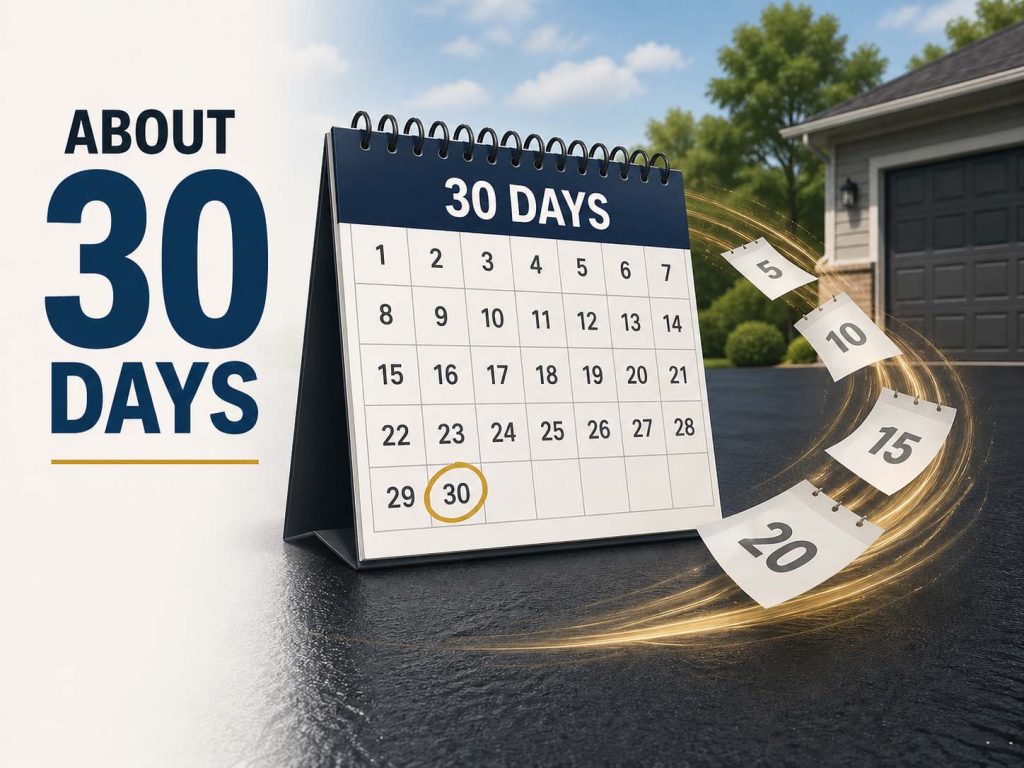
    Curing TIme For Sealcoating

    Even after it looks dry, the surface is still curing.

    • Avoid turning wheels in place (this can twist and mark the surface)
    • Try not to park in the same exact spot every day
    • Avoid heavy vehicles or sharp objects
    • Be careful with kickstands (motorcycles, bikes)

    👉 Full curing can take up to 30 days, so treat the surface gently during this time  

    🧼 Regular Maintenance

    Keep your driveway looking fresh:

    • Sweep debris regularly (dirt holds moisture)
    • Rinse occasionally with water
    • Clean oil or spills as soon as possible
    • Avoid harsh chemicals or strong degreasers

    👉 Sealcoating protects your asphalt, but proper maintenance extends its life even further.

    ⚠️ What to Avoid
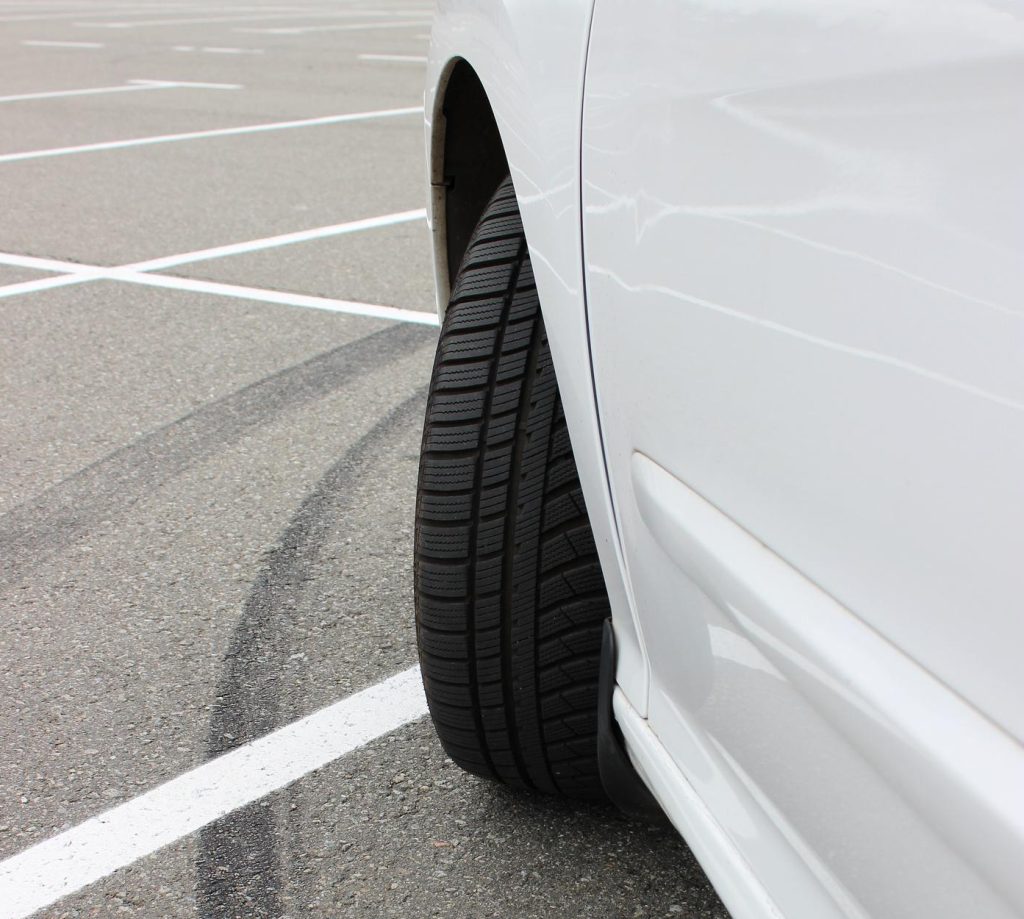
    Do not turn the wheels while parked

    To prevent premature wear:

    • ❌ Turning wheels while stopped
    • ❌ Parking heavy equipment too early
    • ❌ Dragging objects (trash cans, trailers, etc.)
    • ❌ Driving on it if it still feels soft or tacky

    🌦 Weather Awareness

    Sealcoating performance depends heavily on weather:

    • Best curing happens in warm, sunny, dry conditions
    • Rain or humidity can slow the process significantly
    • If rain happens too soon, contact us—we’ll advise if any touch-up is needed

    🛠 When to Sealcoat Again

    For best protection:

    • Reapply sealcoating every 2–3 years
    • High-traffic driveways may need it sooner

    ⭐ Final Tip (Most Important)

    Sealcoating is not just cosmetic—it’s protection.
    The better you treat it in the first few days, the longer it will last.

  • You’ve Got a New Asphalt Driveway—Now What?

    You’ve Got a New Asphalt Driveway—Now What?

    Getting a fresh, jet-black driveway is exciting—it boosts curb appeal and offers a smooth, clean entrance to your home. But before you roll your tires over that brand-new surface, you’ve got to wait—and that wait is crucial. Driving too soon on freshly laid asphalt can cause dents, ruts, or even cracks that’ll haunt you for years.
    Let’s break down how long you need to wait before driving on new asphalt, and why timing is everything.

    🕒 The Golden Rule: 72 Hours Minimum

    How long should you wait to drive on a new asphalt driveway?

    Answer: At least 72 hours.
    That’s three full days. This is the standard drying—or curing—period required for the asphalt to harden enough to support the weight of a car. During this window, the asphalt is still soft and pliable. Any pressure from tires or feet can leave permanent marks.

    However, the 72-hour rule is just the start. Let’s go deeper.

    ☀️ Factors That Affect Asphalt Curing Time

    1. Weather Conditions
      Hot, humid days can prolong curing time. Asphalt stays softer longer in heat.
      Cooler, dry weather can speed up the process.
    2. Thickness of the Asphalt Layer
      – Thicker applications take longer to cure than thinner ones.
    3. Sunlight Exposure
      – Direct sunlight can accelerate surface drying, but the base layers may still be soft.
    4. Type of Use
      – Foot traffic can usually resume after 24 hours.
      – Bicycles or light equipment? Wait at least 48 hours.

    🚧 Driving vs. Parking: There’s a Difference

    Even after 72 hours, there’s a big difference between driving across your driveway and parking on it.

    • Driving through: Generally safe after 3 days if it’s a quick pass-through.
    • Parking your car: You should wait at least 5 to 7 days before parking. This gives the asphalt time to strengthen enough to hold the constant pressure from tires.

    ⛔ What Happens If You Drive Too Soon?

    Here’s what you risk if you can’t resist the temptation to test drive too early:

    • Tire dents or “scuff marks”
    • Ruts and depressions in the surface
    • Reduced lifespan of your driveway
    • Costly repairs down the line

    Think of it like baking a cake—taking it out too soon ruins all your effort (and makes a gooey mess).

    🛡️ Tips to Protect Your Fresh Asphalt

    • Avoid turning your steering wheel while parked. This can create swirl marks.
    • Keep heavy vehicles (like RVs or moving trucks) off the driveway for at least 2 weeks.
    • Don’t seal your driveway immediately. Wait 6 months before seal coating to allow proper curing.

    Want to learn more about why sealing is essential? Check out our seal coating service page.

    💡 Long-Term Care for New Driveways

    Even after the initial curing period, asphalt continues to harden over the next 6–12 months. During this time, it’s still vulnerable to:

    • Oil spills
    • Harsh chemicals
    • Sharp objects or jack stands

    Keep the surface clean, avoid sharp turns, and plan to seal coat your driveway in about 6–12 months. This protective layer will lock in the oils, prevent cracking, and extend the life of your investment.

    🧰 Mr. Patch Asphalt Is Here to Help!

    A new driveway is more than just fresh pavement—it’s an investment in your home’s future. At Mr. Patch Asphalt, we provide expert guidance every step of the way, from installation to maintenance. We offer top-tier services across Massachusetts, including:

    Ready to pave the way to a better driveway? Contact us today for a free estimate and let’s make your driveway perfect—and perfectly timed.

    Still have questions like “Is my asphalt ready yet?” or “What’s the best weather for paving?”? Check out our FAQ page for more answers.